
David Surkamp, the distinctive voice and longtime creative force behind Pavlov’s Dog, has died at 73. The progressive-rock band announced that Surkamp died unexpectedly on October 13, 2026. The band’s public tribute did not disclose a cause of death, and none should be assumed without confirmation from his family or an authorized representative. Louder reported the band’s announcement, while KTVU also covered the news.
For listeners who discovered Pavlov’s Dog through “Julia,” Surkamp’s death is more than the loss of a singer from a cult favorite. It is a reminder that some artists build their legacies outside the usual measures of chart success: through a singular voice, ambitious arrangements and songs that continue to find new audiences decades later.

What has been confirmed about David Surkamp’s death?
The band’s announcement, shared by violinist and mandolin player Abbie Steiling on behalf of Pavlov’s Dog, described Surkamp as its lead singer, creative force and friend. Reports say he was 73. As of the latest reporting reviewed for this article, a public cause of death had not been announced. That distinction matters: “unexpected” describes how the band presented the news, not a verified medical explanation.
Tributes have emphasized both his artistry and his generosity toward fellow musicians. The band recalled a performer who encouraged other players to shine and who came alive onstage. Those details offer a more personal picture than a bare obituary line, while leaving private family matters private.
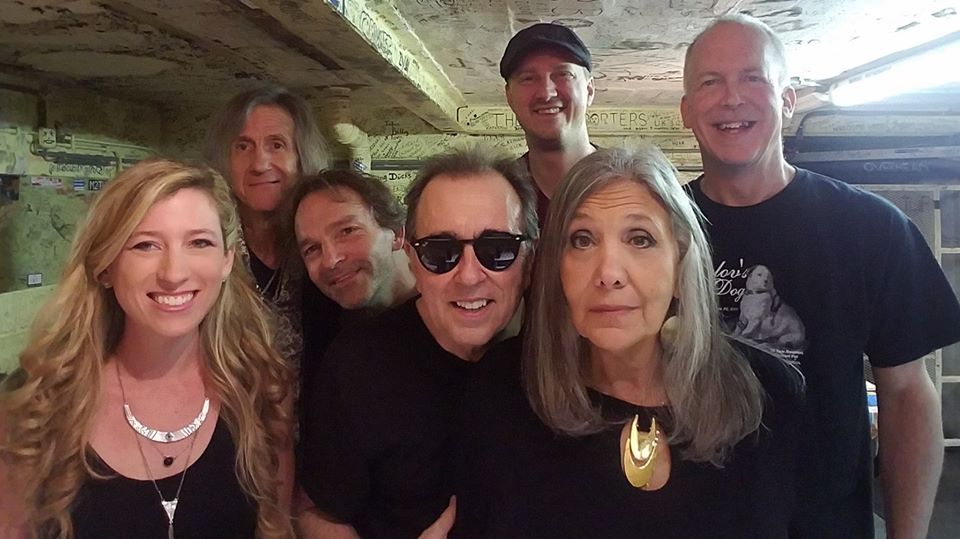
The voice that made Pavlov’s Dog stand apart
Formed in St. Louis in the early 1970s, Pavlov’s Dog developed a sound that mixed progressive-rock complexity with melodic, emotionally charged songwriting. Surkamp’s unusually high, expressive voice became one of the band’s most recognizable signatures. Rather than smoothing out the group’s stranger edges, his delivery helped make its music feel theatrical, vulnerable and unmistakably its own.
The band’s 1975 debut, Pampered Menial, introduced many listeners to that combination. “Julia” remains the track most commonly associated with the group, but the album’s broader appeal lies in the contrast between intricate musicianship and direct emotional intensity. Its follow-up, At the Sound of the Bell (1976), continued that approach before the band’s original run ended in the late 1970s.
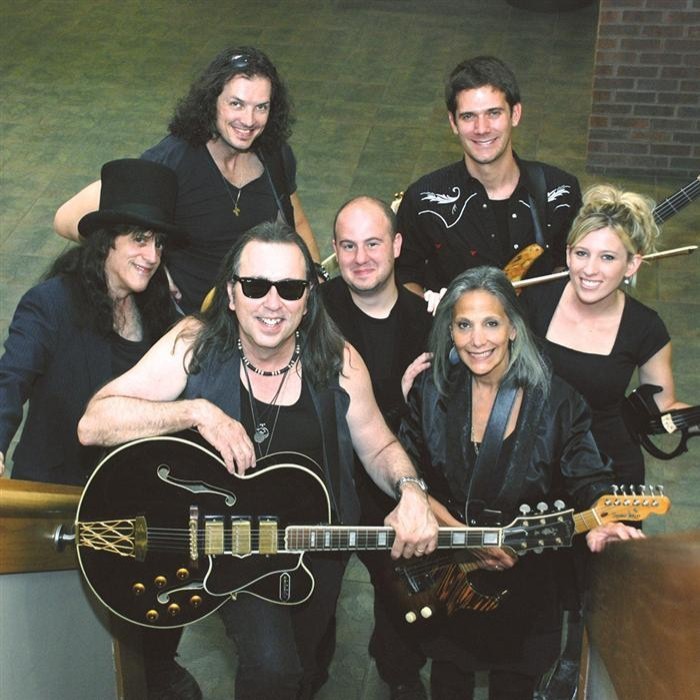
Why “Julia” and the band’s albums still matter
Pavlov’s Dog never became a conventional arena-rock institution, yet its music has endured among progressive-rock listeners because it does not sound interchangeable with its contemporaries. The arrangements are ambitious without losing their melodic center, and Surkamp’s voice gives the songs a sense of longing that is difficult to imitate. “Julia” has served as an entry point for listeners who later explore the band’s deeper catalog.
That kind of legacy can be hard to measure through sales figures alone. A song that keeps circulating through radio programs, record collections, online playlists and fan recommendations can outlive the commercial moment that first introduced it. Surkamp’s work offers a clear example of how a distinctive artistic identity can sustain a band’s reputation across generations.

A career that continued beyond the original 1970s run
Surkamp did not leave Pavlov’s Dog as a closed chapter in the 1970s. The group returned in later decades, recorded additional albums and continued performing with changing lineups. Releases including Echo & Boo and Prodigal Dreamer showed that the band’s story continued beyond its best-known early records. Its 2025 album Wonderlust was another sign that Surkamp remained creatively involved late in life.
That long arc makes the current loss especially poignant. For many artists, reunion tours are a brief return to a familiar catalog. For Surkamp, Pavlov’s Dog remained an active musical identity, with new recordings and performances extending the conversation between the band and its audience.
What happens to Pavlov’s Dog now?
The band’s tribute focused on remembrance and gratitude rather than announcing future plans. Until the group or family shares further information, tour changes, memorial arrangements and other developments should be treated as unconfirmed. Fans looking for updates should follow the band’s official channels and rely on statements directly attributed to the group.
For listeners, one meaningful way to remember Surkamp is to return to the music itself: hear “Julia” again, revisit Pampered Menial, and explore the later records that show how the band evolved. That approach honors both the familiar song and the broader body of work behind it.

Frequently asked questions
How old was David Surkamp when he died?
Reports say the Pavlov’s Dog singer and guitarist was 73.
When did David Surkamp die?
The band said he died on October 13, 2026. The announcement was reported publicly in the following days.
What was David Surkamp’s cause of death?
No cause of death had been publicly disclosed in the reports reviewed for this article. It would be inaccurate to speculate.
What was David Surkamp best known for?
He was best known as the lead singer and a central creative force in Pavlov’s Dog, especially for his distinctive voice on the band’s 1975 debut album Pampered Menial and the song “Julia.”
What is Pavlov’s Dog’s most famous song?
“Julia” is widely regarded as the band’s signature song, though listeners also explore tracks across Pampered Menial, At the Sound of the Bell and later releases.
Where can fans find official updates?
Fans should check David Surkamp’s official website and the band’s official social channels for announcements. Future performances or memorial details should not be assumed unless confirmed by the band or family.
Sources and further reading
- Louder: Pavlov’s Dog frontman David Surkamp dead at 73
- KTVU: David Surkamp, lead singer of Pavlov’s Dog, dies at 73
- VICE: Band confirms David Surkamp’s death
- David Surkamp official website
By Shivam Das