
Quick answer: The Regular Sulfur Cube is the balanced, medium-speed, medium-bounce archetype used when a Sulfur Cube absorbs certain loose mineral and soil blocks. The Cold Sulfur Cube is a special archetype made by giving the cube a Blue Ice block. It keeps the Fast Sliding archetype’s movement, floats, and can place a disk of Frosted Ice beneath itself while moving over water—but only under specific conditions. Mojang confirmed the Cold archetype in Java 26.4 Snapshot 6 and Bedrock Preview 26.70.22. Java Snapshot 6 notes · Bedrock Preview notes.
Version check: October 28, 2026. This guide covers the newly documented Cold archetype in Java 26.4 Snapshot 6 and Bedrock Preview 26.70.22. Snapshot and Preview builds are works in progress; back up important worlds and test mechanics in a separate world.
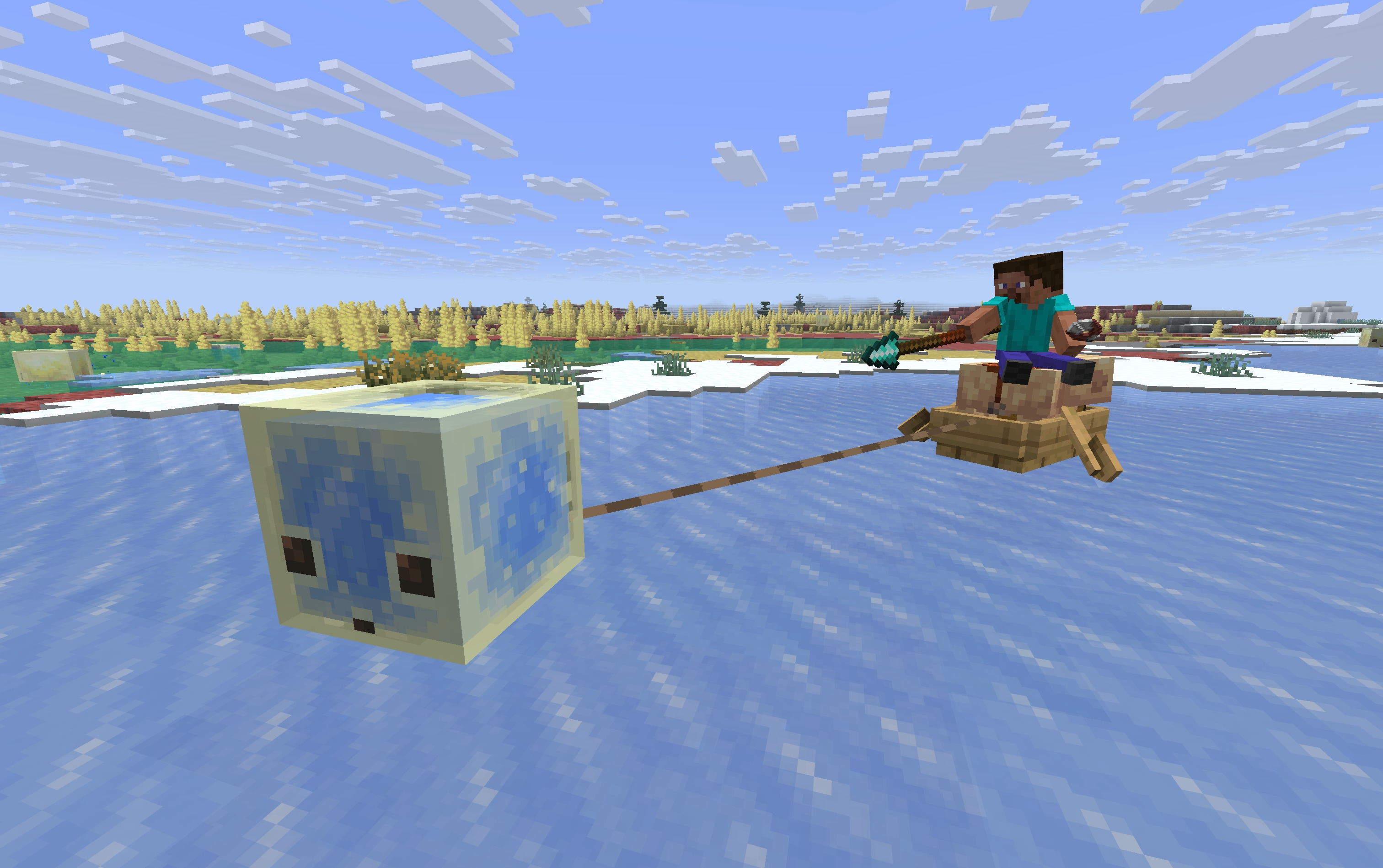
Cold vs. Regular Sulfur Cube at a glance
| Feature | Regular archetype | Cold archetype |
|---|---|---|
| How to get it | Absorb eligible loose mineral or soil blocks | Equip/absorb a Blue Ice block |
| Movement feel | Medium speed and medium bounce | Fast Sliding behavior: fast, almost no bounce, low ground friction |
| Floats in liquids | Yes | Yes |
| Creates Frosted Ice | No special ice-trail effect | Yes, when moving over water under the required conditions |
| Best use | Balanced pushing and general physics play | Sliding tests, water-crossing experiments, temporary frosted paths |
The biggest practical difference is not the cube’s face or color: it is the physics profile. A Regular Sulfur Cube is the balanced option. A Cold Sulfur Cube is tuned for fast sliding and gains the extra ability to form Frosted Ice as it travels over water. That makes Cold more specialized, not automatically better for every minigame or contraption.
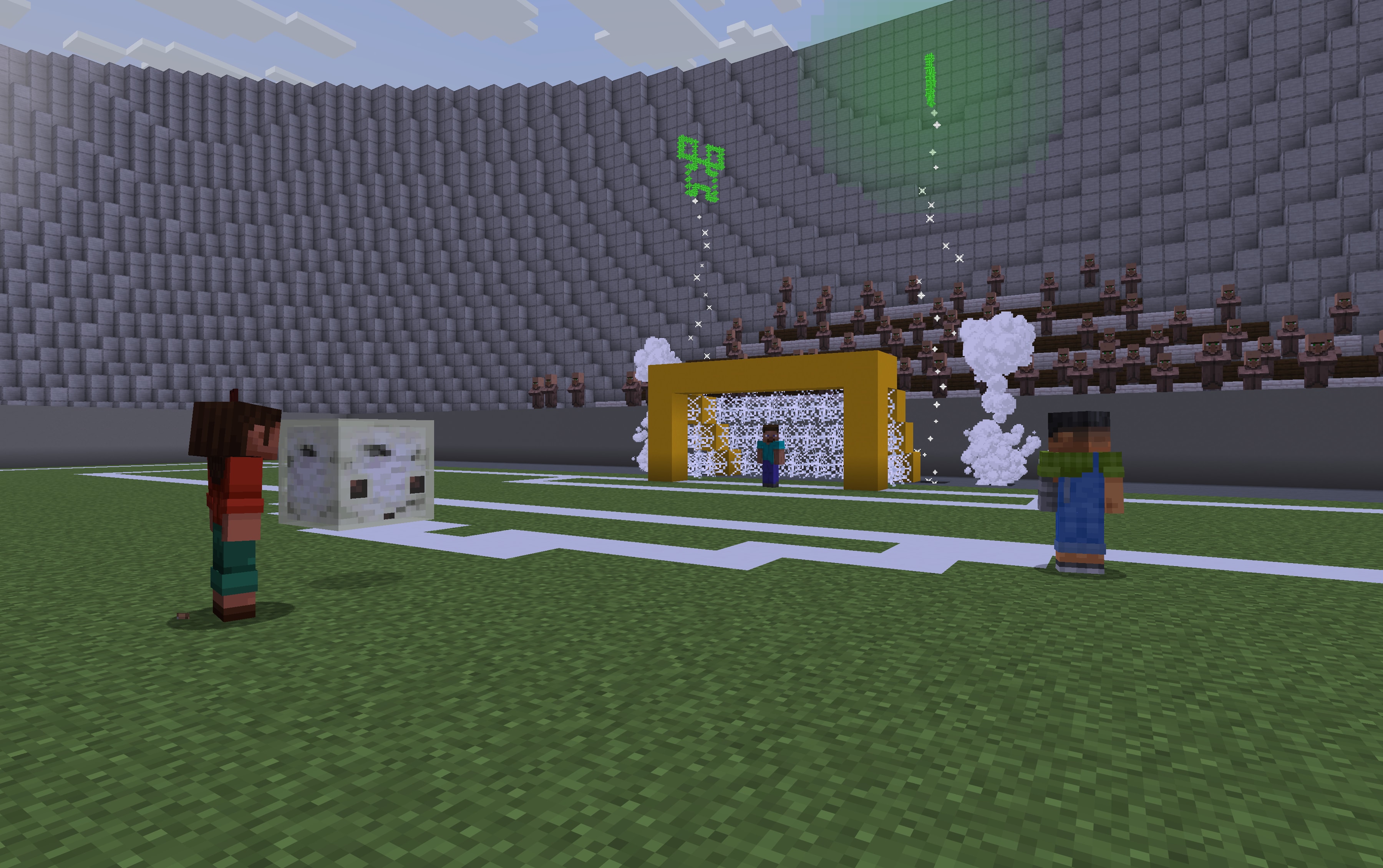
What the Regular Sulfur Cube actually does
Mojang’s Java 26.2 notes describe archetypes as a combination of speed when hit, bounciness against blocks and entities, ground friction, air drag, and whether the cube floats in liquids. In the Regular archetype, the cube has medium speed, medium bounciness, medium ground friction, and low air drag. It is buoyant and is associated with certain loose mineral and soil blocks.
That middle-of-the-road profile is useful when you want the cube to move noticeably without behaving like a hockey puck or an oversized rubber ball. In a simple player-made arena, it can be easier to predict than a very fast sliding cube or a high-bounce wooden archetype. Still, the exact result depends on the block absorbed and the surface where you test it.
How to get the Regular archetype
Find a Sulfur Cube in the Sulfur Caves, then interact with it while holding a block it can absorb. Eligible loose mineral and soil blocks are associated with the Regular archetype in Mojang’s Java 26.2 documentation. The cube absorbs the block and changes its physics profile. Not every block produces Regular; other materials can trigger archetypes such as Bouncy, Slow Bouncy, Fast Sliding, Hot, or Explosive.
For a controlled test, choose a known Regular-associated block such as dirt or gravel, use the same flat surface each time, and push the cube from the same starting position. This will not produce laboratory-perfect measurements, but it helps you compare behavior without changing multiple variables at once.
What makes the Cold Sulfur Cube different?
To create the Cold archetype, give a Sulfur Cube a Blue Ice block to absorb. The official Snapshot 6 notes say Cold shares the Fast Sliding archetype’s properties, but it also floats and replaces water beneath it with a disk of Frosted Ice when it moves—similar in concept to the Frost Walker enchantment.
That distinction matters. Cold is not simply the Regular archetype with a winter-themed texture. Its fast, low-bounce movement changes how it behaves when pushed, while the ice-forming effect adds a separate gameplay utility. If you want a cube for a balanced physics game, Regular may be easier to control. If you want to experiment with ice trails across water, Cold is the one to test.
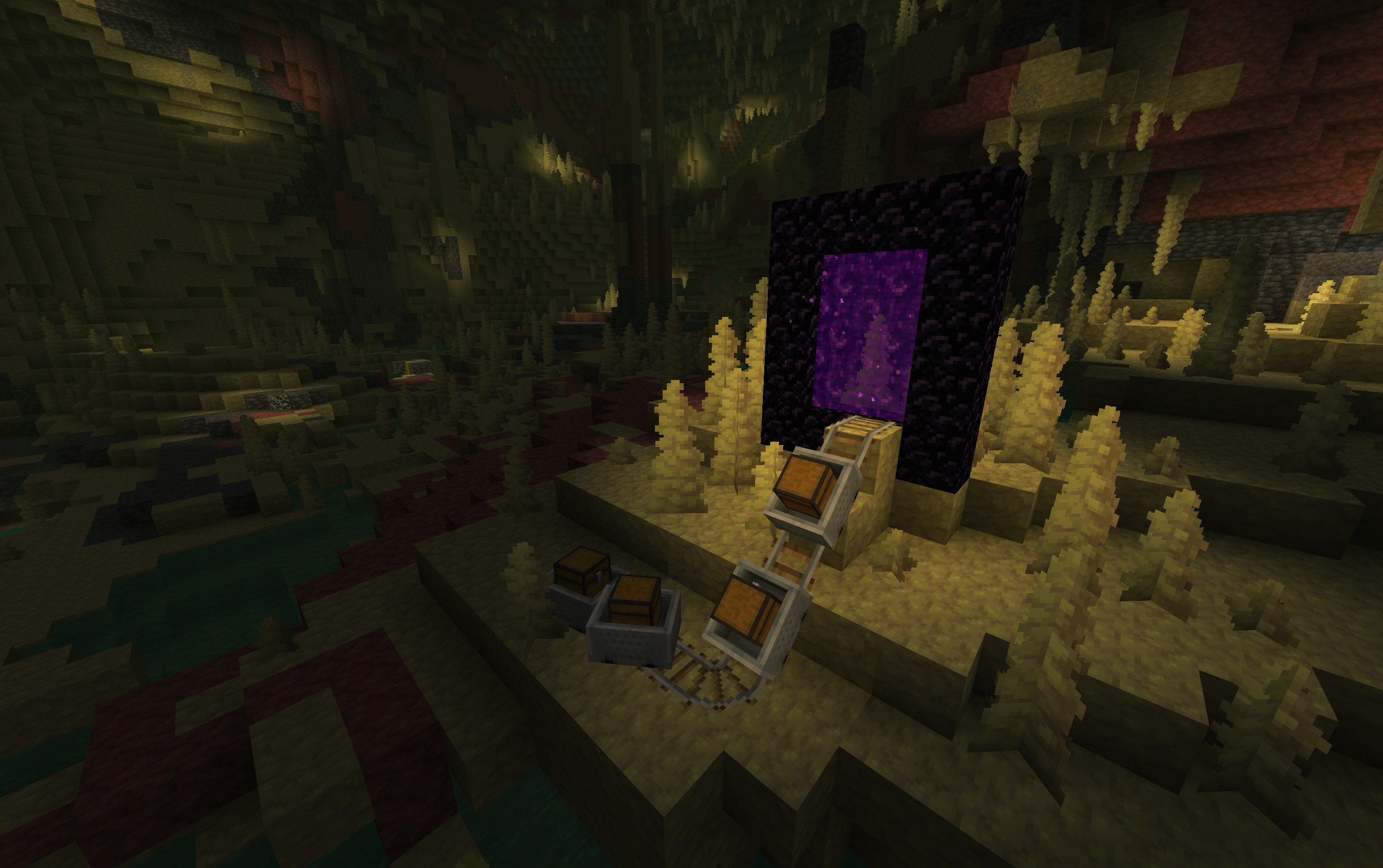
How to make a Cold Sulfur Cube step by step
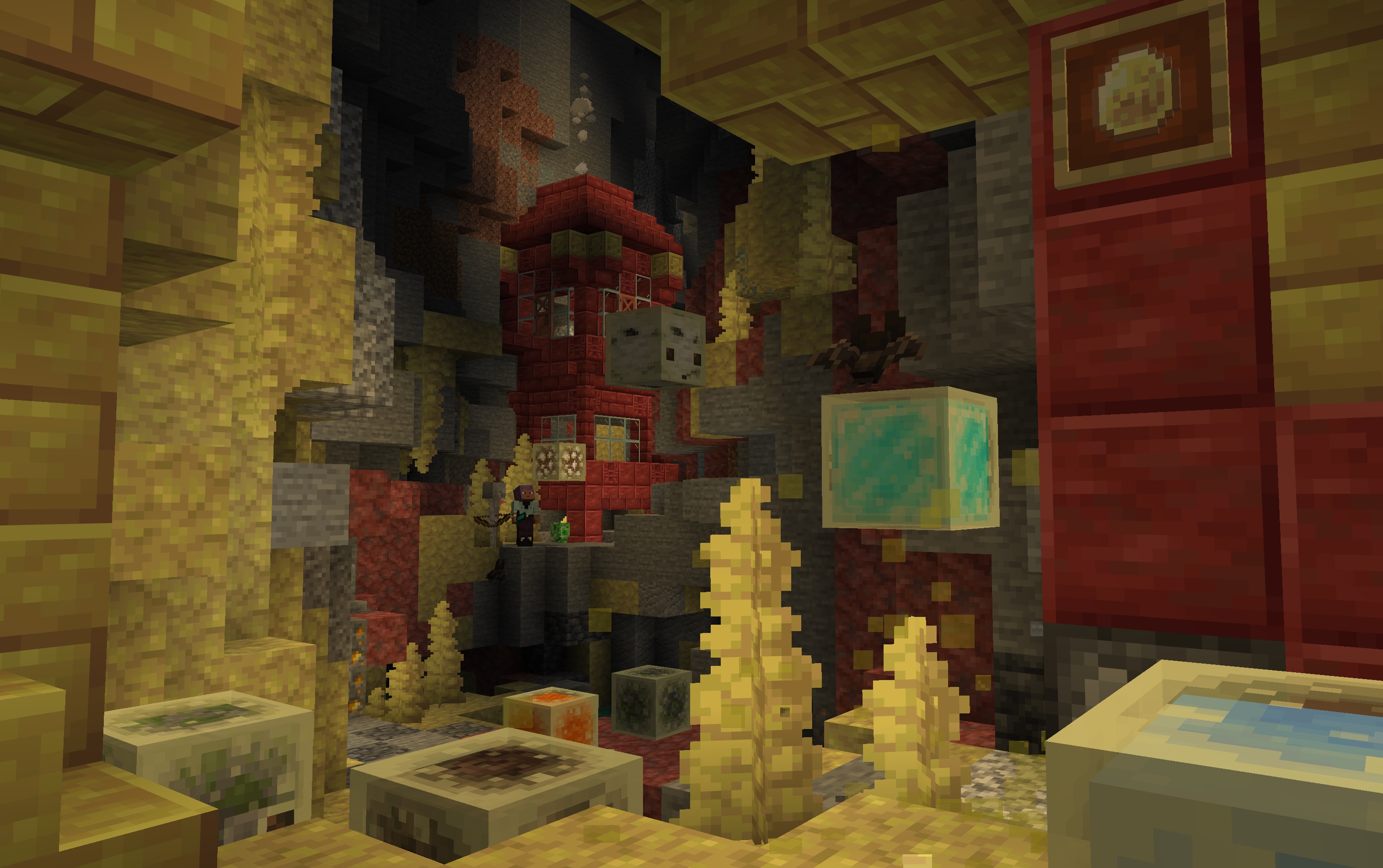
- Find a Sulfur Cube. Mojang introduced the mob in the Chaos Cubed drop; it appears in the Sulfur Caves biome.
- Bring Blue Ice. Use the Blue Ice block as the absorbed block to trigger Cold.
- Set up a safe test lane. A short, flat platform beside a shallow water channel is easier to manage than a long river.
- Start its movement from the ground. Snapshot 6 specifically says the cube only places Frosted Ice if it starts moving while on the ground.
- Leave air above the water. Air blocks above the water source are required for Frosted Ice placement.
- Watch the result before scaling up. Test a short crossing first; do not assume every water layout will create a continuous path.
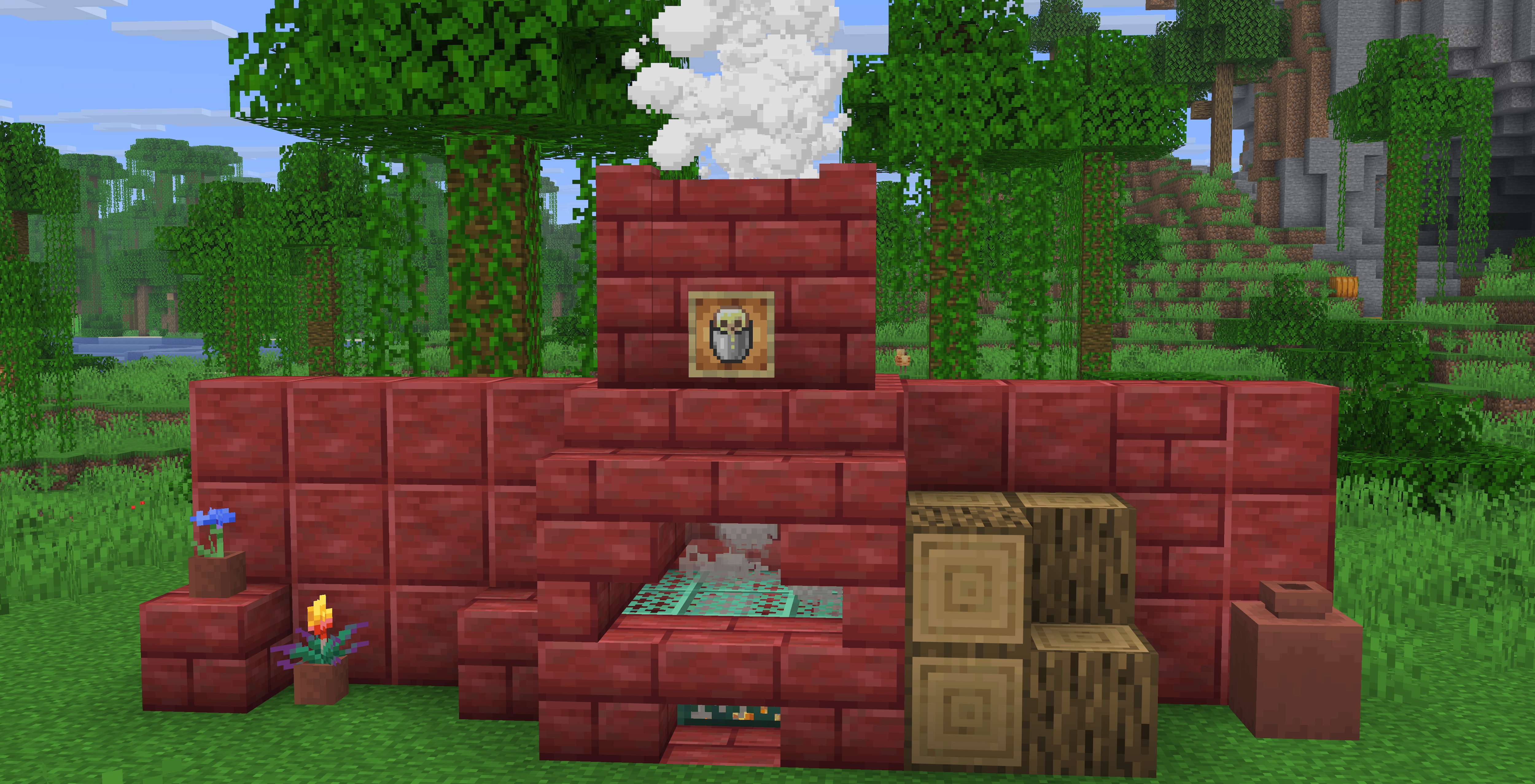
The Frosted Ice effect: what it can and cannot do
The Cold archetype creates Frosted Ice when moving over water source blocks, but this is conditional behavior—not a universal freeze-everything ability. Mojang’s Snapshot 6 notes require air blocks above the water and say the cube must start its movement while on the ground. If the cube falls into water or begins in a setup that does not meet the conditions, do not expect the same effect.
Also, do not treat this as a guaranteed permanent ice bridge. Frosted Ice is a specific block effect, and the notes describe the cube placing a disk of it beneath itself. The official notes do not promise a permanent, uninterrupted bridge across every river or ocean. For a route you need to rely on, test the width, water layout, and behavior in your exact game version first.
Common reasons the ice trail does not appear
- Wrong archetype: make sure the cube has absorbed Blue Ice, not an ordinary block associated with Regular or another archetype.
- No air above the water: enclosed or covered water may fail the placement condition.
- The cube did not start moving from the ground: the Snapshot 6 note calls this out as a requirement.
- Water setup differs: source blocks and flowing water may not behave identically. Start with a simple source-water test and expand only after it works.
- Version mismatch: ensure you are testing Java 26.4 Snapshot 6 or Bedrock Preview 26.70.22 or a later build whose notes preserve the feature.
Which archetype is better for minigames?
For a game where players shove cubes toward targets, Regular is a sensible starting point because its medium speed and bounce are balanced. It can be more forgiving when you want a cube to ricochet without shooting away at extreme speed. It is also a useful baseline when you are learning how absorbed blocks change cube physics.
Cold is a better choice when fast sliding is part of the challenge. Its low bounce and low ground friction make it behave more like a puck than a ball. The ice-trail effect can also become part of a water-based course, but that adds environmental conditions that you should test before inviting other players.
For a fair comparison, keep the same arena, start point, push strength, and direction. Change only the absorbed block. Run several trials because small differences in collision angle and surface can change the result. If you are building a multiplayer course, test with the actual number of players and server conditions you expect to use.
Other archetypes worth knowing
Regular and Cold are only two options in a wider system. Mojang’s Java 26.2 notes describe several archetypes with different movement profiles. Wooden blocks can produce a Bouncy archetype; icy blocks produce Fast Sliding; a Magma Block produces Hot; and TNT produces Explosive. Other block families can trigger Slow Bouncy, Slow Flat, Fast Flat, Light, Slow Sliding, Sticky, or High Resistance behavior.
That means the smartest approach is to choose the cube based on the job, not assume one archetype is universally strongest. For a balanced arena, try Regular. For ice-track experiments, try Cold. For a high-bounce game, test Bouncy. For hazardous or explosive behavior, keep the experiment isolated from your main base and valuable items.
Java Snapshot vs. Bedrock Preview: does it work the same?
Mojang has documented the Cold archetype in both Java 26.4 Snapshot 6 and Bedrock Preview 26.70.22. Both descriptions say the cube gains Cold by absorbing Blue Ice and can create Frosted Ice while moving over water. The Java notes explicitly call out the ground-start and overhead-air requirements. Because Snapshot and Preview builds can diverge or change, check the changelog for your platform before relying on a precise behavior in a Realm or server.
For background on the original mob and its archetypes, read Mojang’s Java Edition 26.2 notes. For the new Cold behavior, use the official Java 26.4 Snapshot 6 notes and Bedrock Preview 26.70.22 notes.
Frequently asked questions
How do you make a Cold Sulfur Cube?
Give a Sulfur Cube a Blue Ice block to absorb. This triggers the Cold archetype.
Is the Cold Sulfur Cube faster than the Regular one?
Its movement properties match the Fast Sliding archetype, which has fast speed, very little bounce, low ground friction, and low air drag. The Regular archetype has medium speed and medium bounce.
Can a Regular Sulfur Cube freeze water?
The special Frosted Ice trail is documented for the Cold archetype, not the Regular archetype.
Why is my Cold Sulfur Cube not making Frosted Ice?
Check that it absorbed Blue Ice, begins moving while on the ground, and has air blocks above the water. Also confirm that you are using a build that includes the feature.
Does the Cold Sulfur Cube make a permanent bridge?
Do not assume so. The official notes describe Frosted Ice placement under specific conditions, not a guaranteed permanent bridge over every water route.
Which archetype should I choose for a minigame?
Start with Regular for balanced movement. Choose Cold for fast sliding or a water-and-ice challenge. Test the exact arena before building the final course.
Bottom line: Regular is the balanced Sulfur Cube archetype; Cold is a fast-sliding specialist with a Frosted Ice trail. Feed Blue Ice to get Cold, start its movement from the ground, and leave air above the water. Treat the ice effect as a mechanic to test—not a promise of a permanent bridge in every world.